Introduction
Shungite is a distinctive black mineral-like rock that has attracted attention for its unusual carbon content, traditional uses, and claims about potential health benefits. Often associated with Karelia, a region in northwestern Russia, this naturally occurring material has become popular in wellness products, water filters, jewelry, and decorative objects.
Some people believe shungite can protect against electromagnetic radiation, purify water, and support general well-being. However, not every claim has strong scientific evidence behind it. Understanding the difference between traditional beliefs, laboratory findings, and proven health benefits is important before purchasing or using it.
This guide explores what shungite is, where it comes from, its common applications, possible benefits, safety considerations, and practical tips for choosing genuine products.
What Is Shungite?
Shungite is a naturally occurring, carbon-rich rock known for its deep black appearance and unusual chemical composition. It is primarily associated with deposits around Lake Onega in the Karelia region of Russia.
Unlike ordinary decorative stones, this material contains carbon mixed with minerals such as quartz, silicates, and other naturally occurring compounds.
Its carbon concentration varies depending on the geological grade. Some samples contain relatively small amounts, while premium varieties can contain extremely high percentages.
Where Does Shungite Come From?
The most recognized deposits are located in Karelia, northwestern Russia. The rock formed billions of years ago, although researchers continue to investigate its precise geological origins.
The name comes from Shunga, a settlement in the region where the material was first recognized.
Historically, local communities used the rock for different practical purposes, including water-related applications. Its unusual composition eventually attracted interest from researchers studying carbon-based materials.
Different Types of Shungite
Shungite is commonly classified according to its carbon content.
| Type | Approximate carbon content |
|---|---|
| Type I | More than 98% |
| Type II | 35–80% |
| Type III | 20–35% |
| Type IV | 10–20% |
| Type V | Below 10% |
These classifications help explain why different samples may have different physical and chemical properties.
Elite shungite is particularly popular in the crystal market because of its high carbon concentration and distinctive appearance. However, a higher carbon percentage does not automatically mean better health benefits.
Potential Benefits of Shungite
People associate shungite with several wellness benefits. Some scientific research has investigated its chemical and antimicrobial properties, but evidence supporting direct health improvements in humans remains limited.
It is important to separate laboratory observations from claims about what happens inside the human body.
1. Antibacterial Properties
One area of scientific interest involves the interaction between carbon-based materials and microorganisms.
Laboratory research has investigated whether certain shungite samples can affect bacterial activity. Their surface characteristics and chemical composition may contribute to these effects.
However, laboratory findings do not establish that wearing the stone or using it at home can prevent infections.
It should never replace antibiotics, medical advice, or established hygiene practices.
2. Water Filtration Research
Shungite has attracted attention because certain samples can adsorb selected substances.
Adsorption happens when molecules attach to the surface of another material. This property is also used in activated carbon filters.
Researchers have investigated shungite for removing selected organic compounds and metals from water.
However, there is an important safety concern: the rock can also release unwanted elements into the water. A 2021 study published in the Journal of Water and Health identified the release of nickel, lead, cadmium, copper, and other elements from tested samples.
is it the right choice?+1
Therefore, its potential filtration properties should not be confused with proof that homemade shungite water is safe to drink.
3. Antioxidant Research
Another interesting research area involves oxidative stress.
Oxidative stress occurs when reactive molecules overwhelm the body’s antioxidant defenses. It is associated with various biological processes and has been investigated in relation to several health conditions.
Researchers have explored the antioxidant properties of shungite extracts and carbon-containing compounds.
Some experimental research has reported promising observations, but these findings do not demonstrate that carrying or wearing a stone produces antioxidant benefits in humans.
More clinical research is necessary before making reliable health recommendations.
4. Relaxation and Mindfulness
Some people enjoy keeping shungite nearby during meditation, yoga, or relaxation exercises.
Its smooth texture, dark appearance, and natural origin can make it an interesting object for personal mindfulness routines.
However, there is no convincing clinical evidence that the mineral itself reduces anxiety or improves sleep.
If holding a stone makes your meditation routine more enjoyable, it can serve as a personal relaxation accessory rather than a medical treatment.
5. Electromagnetic Radiation Protection Claims
One of the most common marketing claims suggests that shungite protects people from electromagnetic fields produced by smartphones, computers, Wi-Fi routers, and other electronic equipment.
Although carbon-based materials can have electrical and electromagnetic properties, this does not establish that a small decorative stone provides meaningful protection.
There is currently insufficient reliable human evidence showing that carrying the mineral protects against everyday electromagnetic exposure.
Consumers should be careful with sellers promising complete 5G protection or claiming that the stone eliminates harmful radiation.
Common Uses of Shungite
Beyond wellness marketing, this material has several decorative and practical applications.
1. Jewelry and Accessories
Polished stones are frequently used to create:
-
Bracelets and necklaces
-
Pendants and rings
-
Decorative beads
-
Pocket stones
-
Small personal accessories
These products are popular because of their dark color and distinctive natural appearance.
2. Home Decoration
Shungite is also sold as a decorative material.
Common products include:
-
Polished mineral spheres
-
Small pyramids
-
Display stones
-
Decorative carvings
-
Mineral collections
A carefully polished specimen can make an attractive addition to a home or office.
3. Industrial Applications
Its carbon content and adsorption characteristics have attracted interest in materials science and industrial research.
Depending on the grade and processing method, shungite-bearing materials have been investigated for applications involving:
-
Adsorption of selected contaminants
-
Carbon-based composite materials
-
Metallurgical processes
-
Construction materials
-
Electrochemical research
These applications depend on material quality and processing. They should not be interpreted as proof of consumer health benefits.
Is Shungite Water Safe to Drink?
This is one of the most important questions for anyone considering purchasing the mineral.
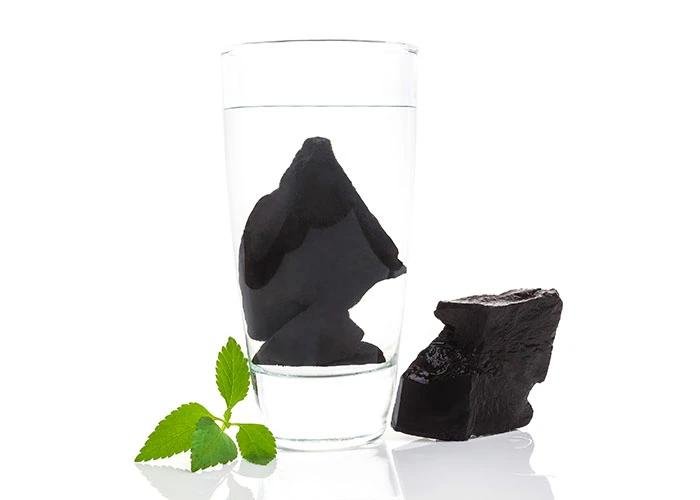
Shungite water is generally prepared by placing pieces of the rock into a container of water and allowing them to remain submerged.
Some sellers suggest that this process improves water quality. However, scientific findings raise concerns about possible contamination.
The 2021 Journal of Water and Health study found that tested samples released several metals into water. In some cases, nickel concentrations remained above acceptable drinking-water limits for up to two weeks.
is it the right choice?+1
Important Safety Precautions
Before considering any water-related product, remember:
-
Do not assume natural materials are automatically safe.
-
Avoid drinking water that has been in contact with untested shungite.
-
Do not rely on seller instructions as proof of chemical safety.
-
Never use it as a replacement for a certified drinking-water filter.
-
Keep small stones away from young children because of choking risks.
Washing a rock may remove surface dust, but it does not guarantee that potentially harmful elements will stop leaching into water.
For drinking purposes, choose a properly certified filtration system and follow its manufacturer’s replacement and maintenance instructions.
How to Identify Genuine Shungite
The growing popularity of the stone has created a market where buyers may encounter misleading product descriptions.
Knowing what to check can help you make a more informed purchase.
Examine Its Appearance
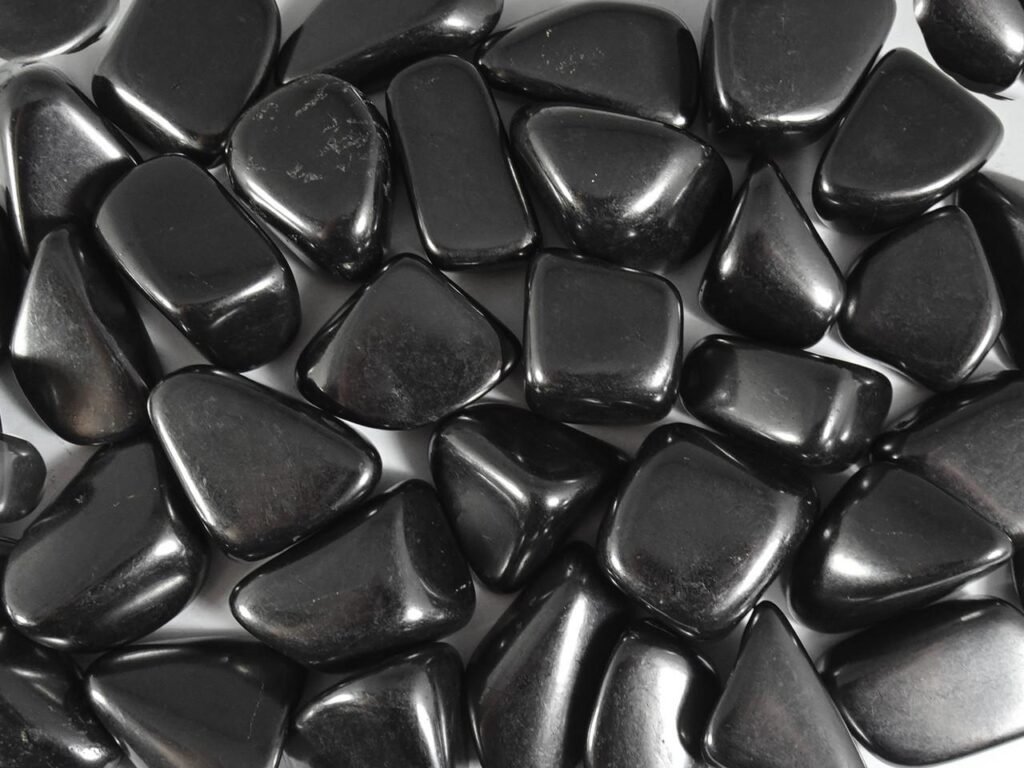
Natural specimens are generally dark gray to black. Depending on their composition and surface finish, they may appear dull, slightly metallic, or polished.
Some pieces leave a black mark when rubbed against a rough surface, but this characteristic alone does not confirm authenticity.
Check the Carbon Content
Ask the seller for information about the material’s carbon percentage.
A trustworthy supplier should be able to explain the grade and provide relevant testing documentation when available.
Request Supplier Information
Before buying, check:
-
Where the material was sourced
-
Whether it is raw or processed
-
Whether its carbon content has been tested
-
Whether the seller offers a clear return policy
-
Whether any health claims are supported by credible research
Understand the Difference Between Grades
Not every black stone marketed as premium shungite has the same composition.
A higher-priced product does not necessarily contain better material. Compare specifications and documentation rather than relying entirely on packaging or advertising.
Common Mistakes to Avoid When Buying or Using Shungite
Many consumers make purchasing decisions based on attractive marketing rather than reliable product information.
Here are several mistakes worth avoiding.
Mistake 1: Believing every health claim
Claims about curing diseases, eliminating toxins, or preventing radiation exposure should be treated cautiously.
Mistake 2: Assuming all grades are identical
Different carbon concentrations can produce different material properties. Check the actual specifications.
Mistake 3: Using untreated stones for drinking water
This can introduce unwanted substances into water. Do not assume rinsing makes a specimen suitable for consumption.
Mistake 4: Paying extra for unsupported promises
Some products are marketed with exaggerated wellness benefits. Purchase based on material quality, appearance, and verified specifications.
Mistake 5: Replacing medical treatment
A decorative mineral cannot replace professional diagnosis, prescribed medication, or evidence-based treatment.
Best Practices for Caring for Shungite
Proper care helps maintain the appearance and condition of decorative specimens.
-
Clean gently: Use a soft cloth to remove fingerprints and surface dust.
-
Avoid harsh chemicals: Strong cleaning products may damage polished surfaces.
-
Store carefully: Keep delicate pieces in a separate container to prevent scratches.
-
Handle raw specimens gently: Some pieces may produce dust or small particles.
-
Keep documentation: Save purchase receipts and any available material-testing reports.
If you collect different mineral specimens, labeling each one with its source and grade can also help you maintain an organized collection.
Frequently Asked Questions
1. What is shungite mainly used for?
Shungite is commonly used in jewelry, decorative objects, mineral collections, and materials research. Some products are also marketed for water filtration, although their safety and effectiveness require careful evaluation.
2. Does shungite really have healing properties?
There is insufficient clinical evidence that shungite treats diseases, reduces anxiety, improves sleep, or provides other direct health benefits. Most wellness claims remain unproven.
3. Can shungite protect against 5G radiation?
There is no convincing human evidence that wearing shungite protects against 5G signals or everyday electromagnetic exposure. Products making guaranteed protection claims should be approached cautiously.
4. Is elite shungite better than regular shungite?
Elite varieties generally have a higher carbon concentration than ordinary grades. However, higher carbon content does not automatically mean greater health benefits or superior performance in every application.
5. Can you wear shungite every day?
Wearing a properly finished shungite pendant or bracelet as ordinary jewelry is generally a low-risk use. Avoid swallowing the material, inhaling dust, or using it for unverified medical purposes.
Conclusion
Shungite is an unusual carbon-rich natural material with an interesting geological history and several potential practical applications. Its dark appearance, different carbon grades, and distinctive composition have made it popular among mineral collectors, jewelry enthusiasts, and researchers.
Scientific investigations suggest that certain samples have useful adsorption and antimicrobial properties. However, claims about healing diseases, protecting against 5G radiation, and improving overall health are not supported by sufficient human research.
Water filtration deserves particular attention because some samples can release heavy metals into drinking water. Choosing tested products and avoiding unverified health claims are important steps toward responsible use.
Whether you are interested in collecting minerals, exploring natural materials, or purchasing decorative jewelry, understanding the facts can help you make better decisions.