Introduction
What Is Urban Gardening?. changing the way people think about growing food and plants. As cities become more crowded and outdoor space becomes limited, many people are discovering creative ways to cultivate vegetables, herbs, fruits, and flowers in apartments, balconies, rooftops, patios, and even sunny windowsills.
You don’t need a large backyard or expensive equipment to start a garden. With the right planning and a little care, almost anyone can enjoy fresh produce and beautiful greenery at home. Whether you want healthier meals, a relaxing hobby, or a greener living environment, urban gardening offers a practical solution for modern lifestyles.
This beginner’s guide explains what urban gardening is, why it has become so popular, and how you can start your own thriving garden regardless of where you live.
What Is Urban Gardening?
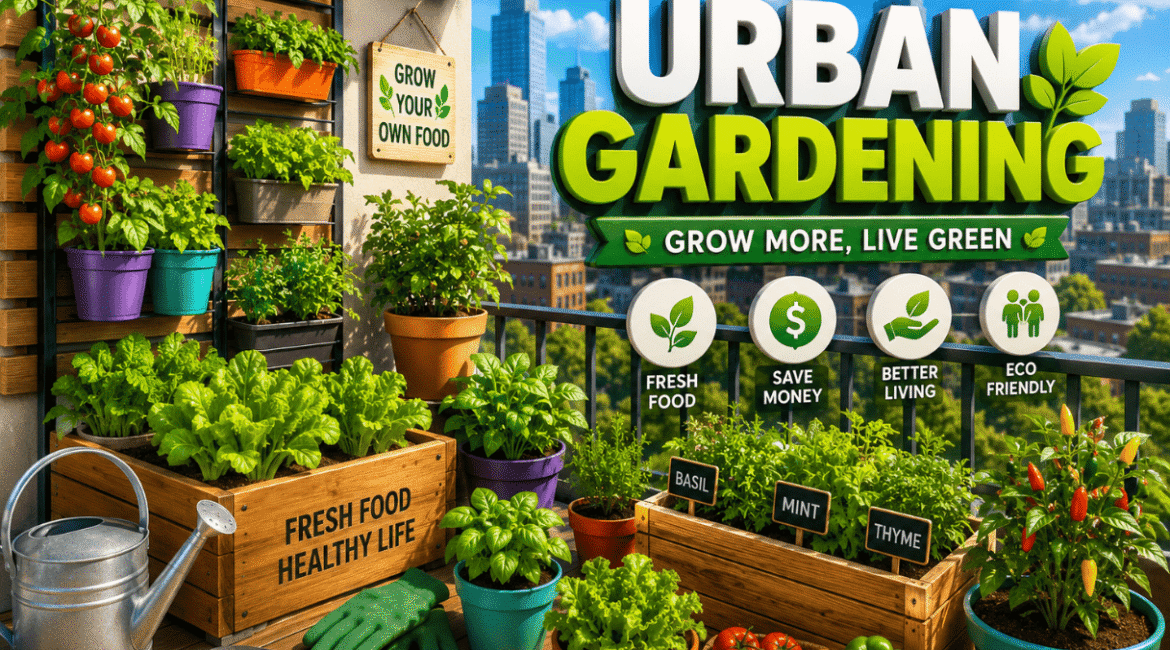
Urban gardening is the practice of growing plants within towns and cities where space is often limited. Instead of traditional gardens spread across large areas, urban gardens make use of compact spaces such as balconies, rooftops, terraces, courtyards, community plots, hanging baskets, vertical walls, and indoor containers.
People grow many types of plants in urban gardens, including:
- Vegetables
- Herbs
- Fruits
- Flowers
- Succulents
- Houseplants
The goal is not only to produce food but also to create healthier, greener living spaces that improve daily life.
Why Urban Gardening Is Becoming Popular
Several factors have contributed to the rapid growth of urban gardening around the world.
Limited Outdoor Space
Many city residents live in apartments or small homes without large yards. Container gardening and vertical gardening allow people to grow plants even in compact environments.
Healthier Food Choices
Growing vegetables and herbs at home gives gardeners more control over how their food is produced. Freshly harvested produce often tastes better and can reduce dependence on store-bought vegetables.
Environmental Benefits
Plants improve air quality, attract pollinators, and help reduce heat in densely populated neighborhoods. Even a few containers filled with greenery can contribute to a healthier environment.
Stress Relief
Gardening encourages mindfulness and relaxation. Spending time caring for plants can help reduce stress and create a peaceful daily routine.
Different Types of Urban Gardening
Urban gardening comes in many forms, allowing beginners to choose the method that best fits their available space.
Container Gardening
This is the easiest option for beginners. Plants are grown in pots, buckets, grow bags, or recycled containers placed on balconies, patios, or windowsills.
Vertical Gardening
Vertical gardens use shelves, wall planters, hanging pockets, or trellises to grow upward instead of outward. This method is perfect for very small spaces.
Rooftop Gardening
Some homes and apartment buildings have flat roofs that can be transformed into productive gardens with proper planning and drainage.
Community Gardens
Many cities provide shared garden spaces where local residents grow plants together. These gardens encourage learning, cooperation, and community engagement.
Indoor Gardening
If outdoor space is unavailable, many herbs and leafy vegetables can grow indoors near bright windows or under grow lights.
Benefits of Urban Gardening
Urban gardening offers far more than fresh vegetables.
Fresh Produce
Harvesting your own tomatoes, lettuce, basil, or peppers provides ingredients that are fresh, flavorful, and readily available.
Saves Money
Although there is an initial investment in containers and soil, growing herbs and vegetables at home can reduce grocery expenses over time.
Supports Sustainability
Producing food close to where it is consumed reduces transportation and packaging waste while encouraging environmentally friendly habits.
Encourages Physical Activity
Watering, pruning, planting, and harvesting involve gentle exercise that supports overall well-being.
Improves Mental Well-Being
Watching plants grow can be rewarding and relaxing. Gardening also encourages patience and a stronger connection with nature.
Essential Supplies for Beginners
Starting an urban garden does not require complicated equipment.
Basic supplies include:
- Containers with drainage holes
- Quality potting mix
- Healthy seedlings or seeds
- Watering can
- Gardening gloves
- Hand trowel
- Organic fertilizer
- Plant labels
- Small pruning scissors
These simple tools are enough to establish a productive beginner garden.
Best Plants for First-Time Urban Gardeners
Some plants are easier to grow than others.
Good beginner choices include:
- Basil
- Mint
- Parsley
- Cilantro
- Lettuce
- Spinach
- Cherry tomatoes
- Green onions
- Radishes
- Chili peppers
These plants generally grow well in containers and require only basic care.
Tips for a Successful Urban Garden
Choose the Right Location
Most vegetables need at least six hours of sunlight each day. Observe your space before deciding where to place containers.
Water Consistently
Container plants dry out more quickly than garden beds. Check the soil regularly and water when the top layer feels dry.
Use Good Soil
High-quality potting mix provides better drainage and nutrients than ordinary garden soil.
Avoid Overcrowding
Give each plant enough room to develop healthy roots and leaves.
Feed Plants Regularly
Adding compost or balanced fertilizer helps plants produce stronger growth and healthier harvests.
Watch for Pests
Inspect leaves frequently for insects or signs of disease. Early action prevents small problems from becoming major ones.
Common Mistakes Beginners Should Avoid
Many new gardeners make similar mistakes during their first season.
These include:
- Using containers without drainage holes.
- Watering too much or too little.
- Growing plants that receive insufficient sunlight.
- Planting too many crops in one container.
- Ignoring soil quality.
- Expecting instant results.
Gardening requires patience, but consistent care leads to rewarding results.
The Future of Urban Gardening
As cities continue to expand, urban gardening is expected to play an increasingly important role in sustainable living. Innovations such as hydroponics, smart irrigation systems, vertical farms, and rooftop food production are making it easier than ever for city residents to grow fresh produce efficiently.
Schools, businesses, and local communities are also embracing urban gardens to promote environmental awareness and healthier lifestyles.
Conclusion
Urban gardening proves that limited space does not have to limit your ability to grow plants. Whether you have a balcony, rooftop, patio, or simply a sunny window, you can create a thriving garden with the right planning and care. Beyond providing fresh herbs, vegetables, and flowers, urban gardening promotes sustainability, improves mental well-being, and brings nature closer to everyday life. By starting with easy-to-grow plants and following basic gardening practices, beginners can enjoy a rewarding hobby that benefits both their homes and the environment.
Frequently Asked Questions (FAQs)
1. What is urban gardening?
Urban gardening is the practice of growing vegetables, herbs, fruits, flowers, or ornamental plants in cities using small spaces such as balconies, rooftops, patios, or indoor containers.
2. Can I start an urban garden without a backyard?
Yes. Many successful urban gardens are created on balconies, windowsills, rooftops, or inside homes using containers and vertical gardening systems.
3. Which vegetables are easiest for beginners?
Lettuce, spinach, radishes, cherry tomatoes, green onions, and chili peppers are excellent choices for first-time gardeners.
4. How much sunlight do most plants need?
Most vegetables and herbs grow best with six to eight hours of direct sunlight each day.
5. Is urban gardening expensive?
Not necessarily. You can begin with a few containers, quality potting soil, and affordable seeds or seedlings, making it a budget-friendly hobby.