Introduction
Fashion is more than simply choosing attractive outfits—it is about selecting designs that match your personality, body shape, and lifestyle. Female Clothing Patterns play a major role in creating fashionable garments, whether you’re shopping for ready-made clothes or sewing your own wardrobe.
Many people think clothing patterns only refer to floral or striped fabrics. In reality, the term has two different meanings. It can describe the decorative print found on fabric, or it can refer to the sewing template used to cut and assemble a garment. Understanding both meanings helps you make better fashion and sewing decisions.
This guide explains every important aspect of female clothing patterns, from popular silhouettes to fabric choices, sewing basics, and expert styling tips.
What Are Female Clothing Patterns?
The phrase Female Clothing Patterns has two common meanings in the fashion industry.
The first meaning refers to decorative designs printed or woven into fabric. Examples include floral prints, plaid, stripes, polka dots, abstract graphics, and animal prints.
The second meaning relates to sewing. A sewing pattern is a template that shows the exact shape and size of each fabric piece needed to create clothing. These templates allow designers and home sewists to produce garments with accurate measurements and professional results.
Although both meanings use the same word, they serve completely different purposes.
Why Clothing Patterns Matter
Patterns influence both the appearance and functionality of clothing.
A carefully selected pattern can:
- Improve body proportions
- Highlight your best features
- Reflect your personality
- Create fashionable outfits
- Make sewing projects easier
- Reduce fabric waste
- Improve garment fitting
Whether purchasing clothes or making them yourself, understanding patterns leads to smarter fashion choices.
Types of Female Clothing Patterns
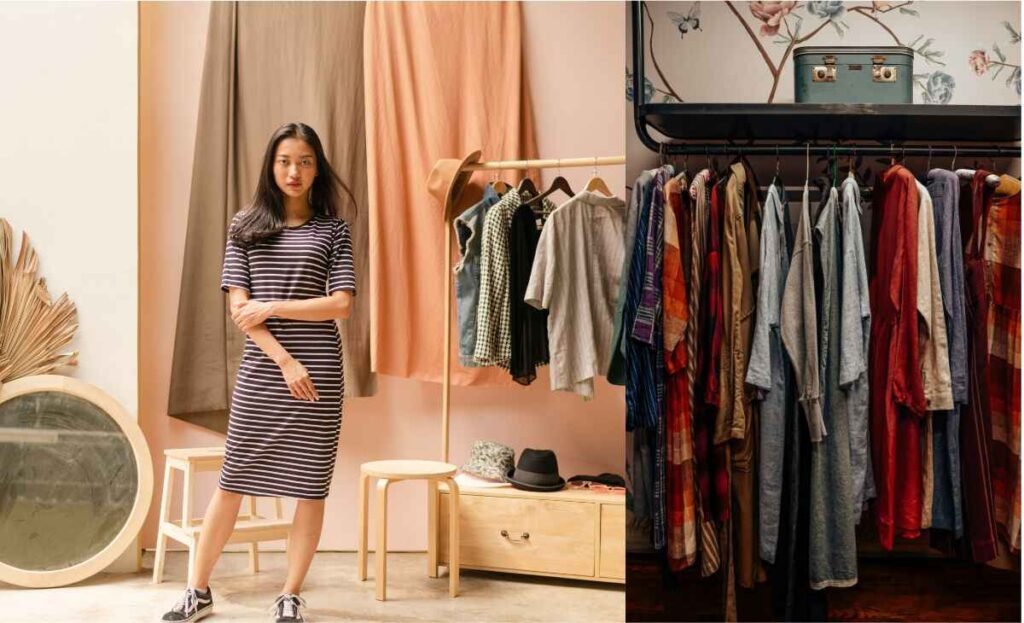
1. A-Line Pattern
The A-line design fits around the shoulders and waist before gradually widening toward the hem.
It is one of the most flattering styles because it creates balance without feeling tight.
Perfect for:
- Pear-shaped body
- Hourglass figure
- Everyday dresses
- Skirts
2. Wrap Pattern
Wrap garments overlap across the front and tie around the waist.
This adjustable design creates a flattering silhouette while offering excellent comfort.
Ideal for:
- Casual wear
- Office outfits
- Evening dresses
3. Sheath Pattern
Sheath clothing follows the body’s natural shape with very little flare.
This elegant silhouette works especially well for professional and formal occasions.
Best suited for:
- Business dresses
- Cocktail dresses
- Formal events
4. Empire Waist Pattern
Empire styles place the waistline directly below the bust while allowing the rest of the garment to flow freely.
This pattern creates a soft, comfortable appearance and is especially popular for summer dresses.
5. Shift Pattern
Shift dresses feature a loose, straight cut that doesn’t hug the body.
They’re ideal for women who prefer relaxed fashion with minimal structure.
6. Fit-and-Flare Pattern
This timeless design combines a fitted upper section with a wider skirt.
It remains one of the most popular choices because it creates a balanced silhouette suitable for many body types.
7. Peplum Pattern
Peplum garments include an extra ruffle around the waist that creates additional shape and volume.
This style is commonly found in:
- Blouses
- Jackets
- Dresses
Popular Fabric Print Patterns
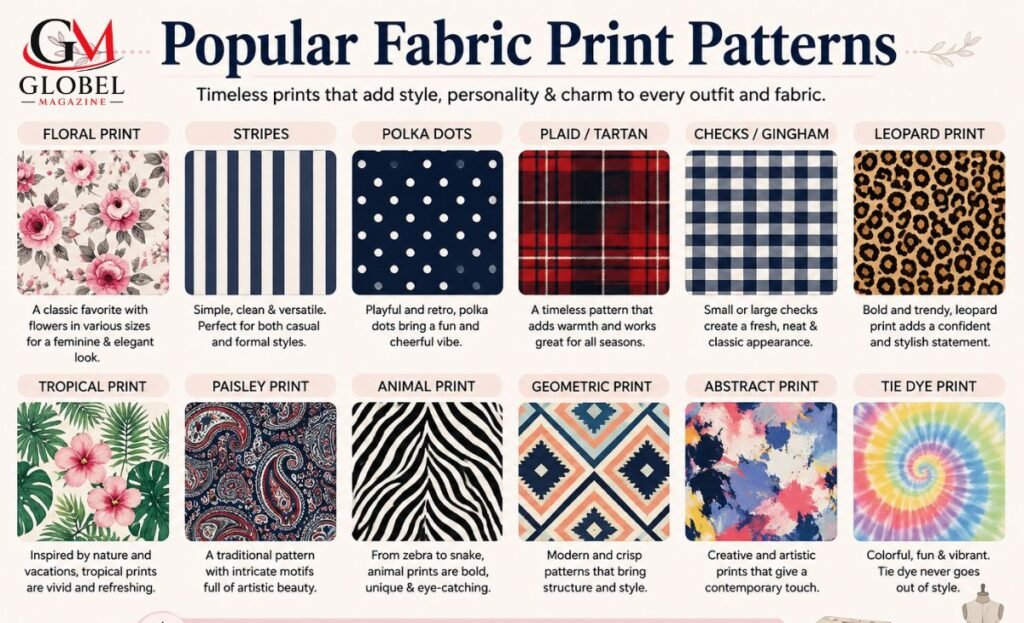
Decorative fabric prints constantly evolve, but several styles remain fashionable every year.
Floral Prints
Flowers never go out of style.
Small floral designs create delicate outfits, while oversized blooms make bold fashion statements.
Suitable for:
- Dresses
- Blouses
- Skirts
- Summer collections
Stripes
Striped clothing is one of fashion’s biggest classics.
Vertical stripes often create the illusion of added height, while horizontal stripes provide a more casual appearance.
Polka Dots
Polka dots offer vintage charm while remaining surprisingly versatile.
They work beautifully for both modern and retro-inspired outfits.
Plaid and Checks
Plaid patterns dominate autumn and winter collections.
They are frequently used in:
- Shirts
- Blazers
- Skirts
- Coats
Animal Prints
Leopard, zebra, and snake prints continue to appear in modern fashion.
Instead of wearing them head-to-toe, many stylists recommend using them as statement pieces.
Geometric Prints
Triangles, diamonds, circles, and abstract shapes create contemporary looks suitable for workwear and casual fashion.
Best Fabrics for Female Clothing Patterns
Choosing the right fabric affects comfort, durability, and appearance.
Cotton
Cotton remains one of the most versatile fabrics available.
Advantages include:
- Breathable
- Easy to wash
- Beginner-friendly
- Comfortable year-round
Linen
Linen is ideal for hot weather because it allows excellent airflow.
Although it wrinkles easily, many people appreciate its relaxed appearance.
Silk
Silk offers unmatched elegance and softness.
It’s commonly used for luxury dresses, evening gowns, and formal blouses.
Jersey Knit
Jersey stretches naturally, making it ideal for:
- T-shirts
- Casual dresses
- Lounge wear
- Active clothing
Denim
Denim provides excellent durability and structure.
Perfect for:
- Jackets
- Skirts
- Jeans
- Casual dresses
Chiffon
This lightweight fabric creates graceful movement and soft draping.
It is often used in evening wear and layered dresses.
Wool Blends
Wool provides warmth while maintaining structure, making it perfect for winter fashion.
Understanding Sewing Patterns
If you enjoy sewing, you’ll encounter several important pattern terms.
Seam Allowance
The extra fabric left between the stitching line and fabric edge.
Grainline
A printed arrow showing how each pattern piece should align with the fabric.
Correct grain placement improves the final fit.
Darts
Folded sections that create shape around the waist, bust, or hips.
Notches
Small markings that help align fabric pieces correctly during sewing.
Ease
Extra space added beyond body measurements to improve comfort and movement.
How to Choose Female Clothing Patterns for Your Body Shape
Selecting the right clothing pattern enhances both comfort and confidence.
Pear Shape
Look for:
- A-line dresses
- Fit-and-flare skirts
- Structured tops
Apple Shape
Consider:
- Empire waist dresses
- Wrap dresses
- V-neck designs
Hourglass Shape
Choose:
- Sheath dresses
- Wrap styles
- Pencil skirts
Rectangle Shape
Patterns that define the waist work especially well, including peplum tops and fit-and-flare dresses.
Tips for Beginners
Whether buying clothes or sewing them yourself, these tips can help:
- Measure your body accurately.
- Follow size charts instead of clothing labels.
- Start with simple sewing projects.
- Buy quality fabric.
- Read pattern instructions completely before cutting.
- Wash fabric before sewing.
- Practice on inexpensive materials first.
Current Fashion Trends in Female Clothing Patterns
Fashion trends continue to evolve each year, but several pattern styles remain highly popular.
Current favorites include:
- Botanical floral prints
- Minimalist geometric designs
- Neutral plaid patterns
- Soft watercolor prints
- Vintage-inspired polka dots
- Sustainable fabric collections
- Relaxed oversized silhouettes
These timeless choices combine style with everyday practicality.
Common Mistakes to Avoid
Many people make simple mistakes when choosing clothing patterns.
Avoid these common issues:
- Ignoring body measurements
- Selecting unsuitable fabric
- Mixing too many bold prints
- Skipping pattern instructions
- Choosing difficult sewing projects as a beginner
- Forgetting fabric shrinkage
Conclusion
Understanding Female Clothing Patterns allows you to make smarter fashion decisions, whether you’re purchasing ready-to-wear clothing or creating garments from scratch. From elegant wrap dresses and classic A-line silhouettes to timeless floral prints and beginner-friendly sewing templates, the right pattern can transform both style and comfort. By choosing suitable fabrics, understanding body proportions, and learning essential sewing basics, you can build a wardrobe that looks polished, feels comfortable, and reflects your personal style while remaining fashionable for years to come.
Frequently Asked Questions
What are female clothing patterns?
Female clothing patterns refer either to decorative fabric prints or sewing templates used to create garments.
Which fabric is best for beginners?
Cotton is generally the easiest fabric to cut, sew, and maintain.
Can beginners use digital sewing patterns?
Yes. PDF sewing patterns are affordable, easy to download, and suitable for beginners.
Which clothing pattern suits every body type?
Wrap dresses and A-line styles are among the most universally flattering options.
How do I choose the correct sewing pattern size?
Always use your body measurements rather than your ready-made clothing size, as sizing varies by pattern brand.
Are floral patterns still fashionable?
Yes. Floral prints remain a timeless choice and continue to appear in seasonal collections every year.
What is the easiest garment to sew first?
Simple skirts, loose tops, and basic dresses are ideal beginner projects.
Can different prints be mixed together?
Yes, but balance is important. Pair one bold print with a subtle design for a cohesive look.
Why is the grainline important?
Following the grainline helps garments hang properly and maintain their intended shape.
Which pattern is best for office wear?
Sheath dresses, subtle stripes, plaid blazers, and minimalist geometric prints are excellent professional choices.