Ramadan is one of the most sacred months in Islam, bringing Muslims together through fasting, prayer, charity, and spiritual reflection. Every year, millions of people search for when is Ramadan 2026 to understand the important dates and religious traditions associated with this blessed month.
In 2026, Ramadan began on February 18 in Saudi Arabia and several other countries. However, Pakistan officially started Ramadan on February 19 following its national moon-sighting announcement.
The dates varied because the Islamic calendar follows the lunar cycle, and different countries use their own methods to determine the beginning of a new month.
This complete guide explains the Ramadan 2026 calendar, fasting practices, Eid al-Fitr dates, and everything you should know about this important Islamic occasion.
When Is Ramadan 2026? Confirmed Dates
Ramadan 2026 corresponded to the Islamic year 1447 AH. The exact beginning and ending dates depended on the moon-sighting decisions followed in each country.
Here are the confirmed dates for selected countries and communities.
| Event | Date |
|---|---|
| Ramadan began in Saudi Arabia | February 18, 2026 |
| Ramadan began in Pakistan | February 19, 2026 |
| First fast under FCNA’s US calendar | February 18, 2026 |
| Eid al-Fitr in Saudi Arabia | March 20, 2026 |
| Eid al-Fitr in Pakistan | March 21, 2026 |
| Islamic year | 1447 AH |
| Duration | 30 days in Saudi Arabia and Pakistan |
Saudi Arabia’s Supreme Court confirmed February 18 as the beginning of Ramadan. Pakistan’s Central Ruet-e-Hilal Committee announced February 19 as the first fasting day.
Why Did Ramadan 2026 Start on Different Dates?
The Islamic calendar is based on lunar months, unlike the Gregorian calendar, which follows the solar year.
Each Islamic month begins with the appearance of a new crescent moon, known as the hilal. Depending on geographical location, weather conditions, and religious practices, the crescent may be confirmed on different evenings.
Some Islamic authorities rely on verified physical sightings, while others use astronomical calculations to establish their calendars.
This explains why Muslims in Saudi Arabia began fasting on February 18, while Muslims in Pakistan started on February 19.
Because the Islamic year is approximately 10 to 11 days shorter than the Gregorian year, Ramadan generally moves earlier through the seasons over time.
What Is Ramadan and Why Is It Important?
Ramadan is the ninth month of the Islamic calendar and holds extraordinary religious significance for Muslims worldwide.
It is especially important because the Quran was revealed during this sacred month.
Fasting during Ramadan, known as Sawm, is one of the Five Pillars of Islam.
Muslims who are required to fast abstain from eating and drinking between dawn and sunset. They also focus on developing patience, controlling harmful behavior, and improving their relationship with Allah.
Throughout Ramadan, Muslims increase their acts of worship, including reading the Quran, performing prayers, making dua, donating to charity, and helping people in need.
Ramadan 2026 Fasting Schedule: Suhoor and Iftar
Two important parts of Ramadan are Suhoor and Iftar.
What Is Suhoor?
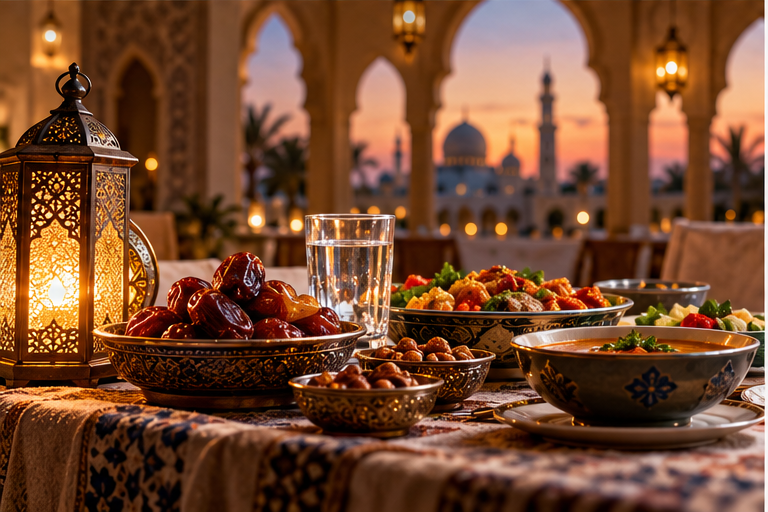
Suhoor is the meal Muslims eat before dawn, before beginning their daily fast.
A balanced Suhoor may include eggs, whole grains, yogurt, fruit, vegetables, and water. These foods help provide energy during the fasting period.
What Is Iftar?
Iftar is the evening meal that marks the end of the daily fast at sunset.
Many Muslims traditionally break their fast with dates and water before eating a larger meal.
Families and communities often gather at sunset to share food, pray, and spend time together.
Because sunrise and sunset differ by location, Suhoor and Iftar times vary between cities. Muslims should follow a reliable local Ramadan timetable for the correct daily fasting times.
Taraweeh and Special Prayers During Ramadan
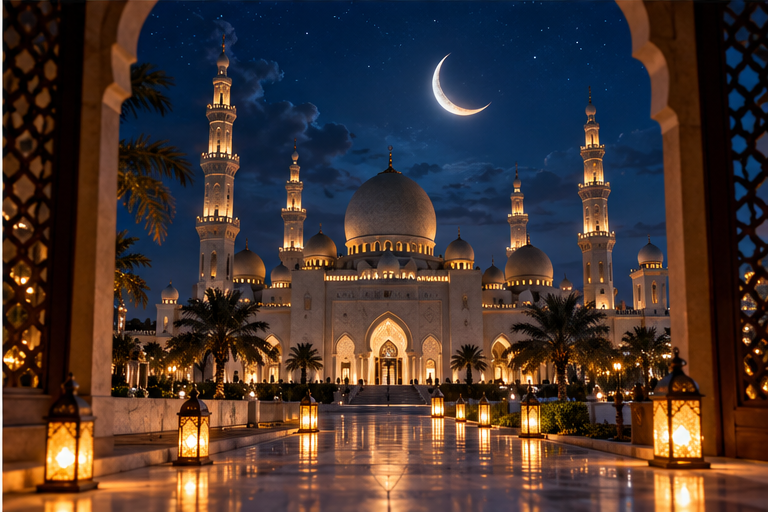
Taraweeh prayers are special voluntary night prayers performed during Ramadan after the Isha prayer.
Many Muslims attend mosques to participate in these prayers, while others choose to pray at home.
Ramadan also encourages Muslims to spend additional time reading and understanding the Quran.
These spiritual activities help create a stronger sense of faith, discipline, and community.
Laylatul Qadr 2026: The Night of Power
Laylatul Qadr, also called the Night of Power, is among the most important nights in Islam.
The Quran describes this night as better than a thousand months.
Muslims are encouraged to seek Laylatul Qadr during the final ten nights of Ramadan, particularly the odd-numbered nights.
The exact night is not definitively established, although the 27th night receives special attention in many communities.
During these nights, Muslims commonly perform extra prayers, read the Quran, ask Allah for forgiveness, and give charity.
When Did Ramadan 2026 End?
Ramadan ends when the Islamic month of Shawwal begins.
In Saudi Arabia, the final fasting day was Thursday, March 19, 2026, and Eid al-Fitr was celebrated on Friday, March 20.
In Pakistan, Ramadan ended on Friday, March 20, after completing 30 days. Eid al-Fitr was celebrated on Saturday, March 21, 2026.
Both dates were confirmed by the respective national moon-sighting authorities.
How Is Eid al-Fitr Celebrated?
Eid al-Fitr is the Islamic festival marking the completion of Ramadan.
Muslims celebrate this joyful occasion by performing special Eid prayers, visiting relatives, sharing meals, and giving gifts.
An important religious obligation connected with Eid is Zakat al-Fitr, a charitable payment intended to support those in need before the Eid prayer.
The celebration also provides an opportunity to express gratitude, strengthen family relationships, and share happiness with the wider community.
Healthy Habits During Ramadan Fasting
Maintaining a balanced daily routine is important while fasting.
Useful habits include drinking sufficient water between Iftar and Suhoor, choosing nutritious meals, getting adequate sleep, and avoiding excessive overeating.
Foods containing protein, fiber, and complex carbohydrates can help support energy levels throughout the fasting day.
People with medical conditions, including diabetes, should seek medical advice before fasting. Islamic teachings also recognize exemptions or alternatives for people in certain circumstances, including illness and travel.
Conclusion
Understanding when is Ramadan 2026 helps explain not only the timing of this sacred month but also the importance of the Islamic lunar calendar.
Ramadan began on February 18 in Saudi Arabia and February 19 in Pakistan, with Eid al-Fitr celebrated on March 20 and March 21 respectively.
Beyond these dates, Ramadan remains a meaningful time for fasting, prayer, generosity, self-discipline, and strengthening connections with Allah and the wider community.
Its lasting message is one of faith, gratitude, compassion, and positive change.
Frequently Asked Questions About Ramadan 2026
1. When is Ramadan 2026 starting?
Ramadan started on February 18, 2026, in Saudi Arabia and February 19, 2026, in Pakistan.
2. What was the first day of Ramadan 2026 in Pakistan?
The first fast in Pakistan was observed on Thursday, February 19, following the official crescent-moon announcement.
3. How many days did Ramadan 2026 last?
Ramadan lasted 30 days in both Saudi Arabia and Pakistan.
4. When was Eid al-Fitr 2026?
Saudi Arabia celebrated Eid al-Fitr on March 20, while Pakistan celebrated it on March 21, 2026.
5. Why does Ramadan change dates every year?
Ramadan follows the Islamic lunar calendar, which is shorter than the Gregorian solar calendar. As a result, its dates shift by approximately 10 to 11 days each year.